 Tweets by @BadrJafar


No capital flight from the UAE, only risk recalibration: Badr Jafar
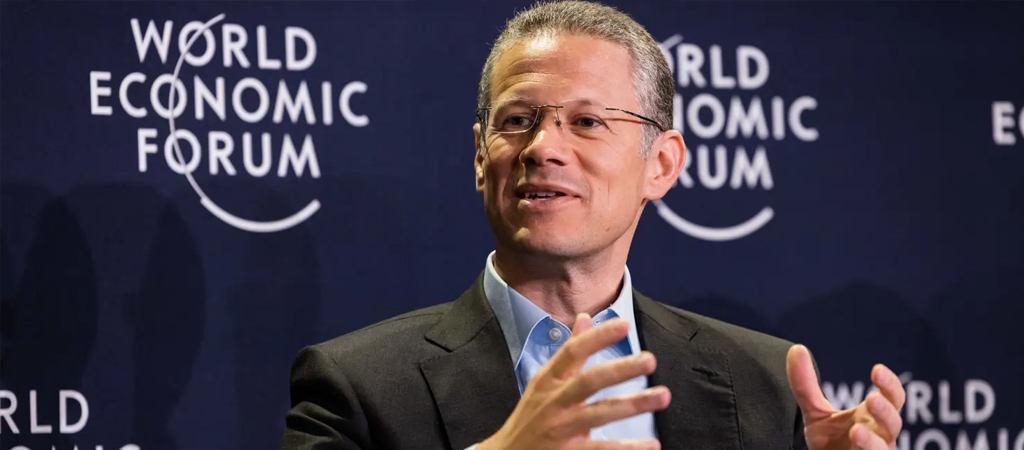
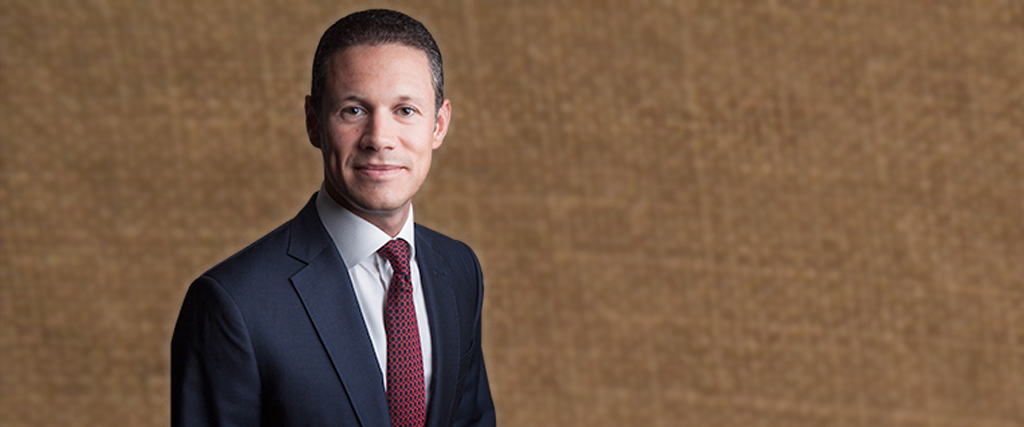
Dubai: Global investors are reassessing risks in the Gulf amid the ongoing regional conflict, but there are no signs of capital flight from the UAE, said Badr Jafar, special envoy for business and philanthropy at the UAE Ministry of Foreign Affairs and CEO of Crescent Enterprises.
As the Iran war entered the fourth week, Jafar told ET that while there is some short-term caution among investors, “it is different from capital flight”. Instead, he described the current moment as a “recalibration of risk, not a loss of confidence,” arguing that the UAE’s diversified economy, strong sovereign wealth buffers and role as a global trade hub continue to underpin investor commitment.
Questions from investors are not about exits but about positioning for the recovery phase, he said.
“The dominant line of inquiry is forward-looking-how quickly activity normalises, where opportunities may emerge, and how to position for the next phase,” he said. “The message I am giving to global investors and businesses is straightforward: do not confuse short-term disruption with structural weakness.”
Investors pausing, not withdrawing
Jafar said some investors are temporarily slowing decisions as they reassess timelines and deployment strategies, but the underlying investment landscape remains intact. “What we are seeing is a degree of short-term caution, which is natural. But it is very different from capital flight. In any period of uncertainty, investors pause, reassess timelines, and in some cases re-sequence decisions. We are seeing some of that, particularly around transaction timing and deployment pacing. That is to be expected,” he said.
Moments of geopolitical stress inevitably prompt investors to reassess risk, he said. “That process is healthy. It is part of how global capital responds to uncertainty.”
Short-term disruption, long-term resilience
Iran has continued retaliatory strikes on key Gulf cities, including energy assets and data centres, since February 28, putting to test the safe-haven status of Dubai and Abu Dhabi for global capital and talent. Meanwhile, US President Donald Trump on Monday announced on social media that he has postponed strikes on Iranian power infrastructure by five days following productive talks, igniting hopes of a breakthrough in the Middle East war.
Jafar pointed out that one must distinguish between short-term impact and longer-term structural concerns.
“Tourism has been affected, aviation capacity reduced, and there have been disruptions to logistics and parts of the services sector. These are meaningful short-term effects. But the resilience of the system is the most powerful data point. We are under pressure, and we are functioning,” he said.
“The wider concern is for the global community,” he said, referring to the UAE’s role as a major hub for trade, travel and supply chains.
Last week, the Central Bank of the UAE unveiled a five-pillar resilience package for banks, allowing them to continue lending to businesses and households despite heightened geopolitical uncertainty.
Jafar said the success of international hubs depends on how they navigate the pressure. “No major international hub is defined by the absence of risk. New York, London, Singapore, Hong Kong, all have navigated periods of acute pressure. What defines their success is how they perform under that pressure and how quickly they recover. That is the lens serious investors are applying to the UAE today,” said Jafar. He noted that the UAE’s core infrastructure, which is banking, telecommunications, energy, and digital networks, remains fully operational. Markets have reopened and stabilised. Major global institutions have maintained their long-term commitments.
Source: Economic Times